
7 Ways Professionals in Pest Control in Beaumont Handle Fleas and Ticks

Living in Beaumont, in Southeast Texas, brings warm weather, heavy humidity, and plenty of outdoor activity, but those same conditions also support the growth of fleas and ticks. These pests thrive in grassy areas, shaded yards, and homes with pets, making control a serious concern for local residents. Seasonal rainfall and mild winters allow infestations to spread quickly if left untreated.
Effective control requires a structured approach that addresses indoor spaces, outdoor environments, and ongoing prevention. This article explains seven ways professionals handle fleas and ticks.
1. Detailed Property Inspections To Locate Activity
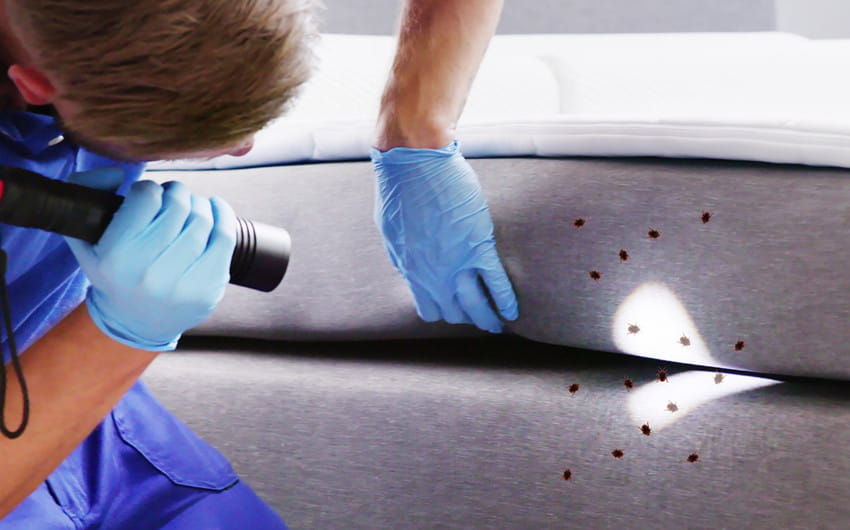
Beaumont pest control by professionals begin flea and tick control by performing careful inspections of the entire property. Indoor spaces are checked for pet resting areas, carpets, furniture seams, and baseboards where pests often hide. Outdoor areas such as lawns, shaded corners, and fencing lines are also examined for signs of activity. This inspection process helps identify breeding zones that may not be obvious at first glance.
Climate conditions in the area often cause moisture buildup, which creates ideal hiding spots for parasites. By understanding where fleas and ticks are most active, treatment can be focused and efficient. Thorough inspections reduce the chance of missed areas that could allow reinfestation.
2. Customized Treatment Planning For Local Conditions
After inspections, professionals develop treatment plans that reflect the specific needs of the property. Local weather patterns influence how fleas and ticks behave throughout the year. Warmer months often require stronger control measures due to increased pest activity. Treatment planning considers yard size, pet presence, and interior layout.
A structured plan prevents unnecessary product use while still delivering effective results. Adjustments are made based on infestation severity and environmental factors. This approach ensures long lasting control that suits conditions common to neighborhoods.
3. Targeted Indoor Treatments For Complete Coverage
Indoor treatments focus on eliminating fleas and ticks at every life stage. Floors, rugs, and upholstered furniture receive attention because pests often lay eggs in soft materials. Treatment methods are applied with precision to avoid disruption to daily routines. In humid regions like Beaumont, indoor moisture levels can help pests survive longer.
Professionals address these conditions by selecting appropriate treatment techniques. Proper application ensures that eggs, larvae, and adult pests are controlled together. This prevents recurring infestations that often result from incomplete indoor treatment.
4. Strategic Outdoor Applications To Reduce Habitats
Outdoor environments play a major role in flea and tick activity. Professionals treat lawns, shaded soil, and areas where pets spend time outdoors. Shrubs, leaf piles, and fence lines are common resting spots for these pests. Outdoor treatment reduces the number of parasites that can enter the home.
The climate in Beaumont allows fleas and ticks to survive outdoors for extended periods. Strategic applications focus on disrupting their life cycle in these areas. Reducing outdoor populations supports long term indoor protection.
5. Use Of Growth Regulators To Interrupt Life Cycles
Growth regulators are often used to prevent flea and tick eggs from developing into adults. These products stop reproduction rather than only killing visible pests. This method is especially important in warm climates where life cycles progress quickly.
By interrupting development, infestations decline steadily over time. Growth regulators help prevent sudden population spikes after initial treatment. Professionals apply these tools carefully to maintain safety and effectiveness. This technique supports sustained control in Beaumont properties.
6. Follow Up Monitoring And Reinspection Practices
Successful flea and tick control does not end with one visit. Professionals schedule follow up checks to confirm treatment effectiveness. Monitoring helps identify any remaining activity before it becomes severe again. Changes in weather can influence pest behavior between visits.
In Beaumont, sudden rainfall or heat can trigger renewed movement. Reinspections allow adjustments to be made when needed. This ongoing process ensures long term results and peace of mind.
7. Education On Prevention And Property Maintenance
Professionals also educate property owners on prevention strategies. Simple actions like regular cleaning and yard maintenance reduce pest attraction. Pet care routines play an important role in limiting flea and tick spread. Guidance is provided on reducing moisture and clutter indoors.
Outdoor tips include trimming vegetation and managing shaded areas. Preventive education helps residents maintain results after treatment. This shared effort strengthens overall pest control success.
Flea and tick control requires more than surface level solutions, especially in warm and humid regions. Beaumont pest control by specialists focuses on understanding pest behavior, environmental conditions, and property specific needs. Each step works together to reduce current infestations and prevent future problems. From inspections to prevention education, every method plays a valuable role. Long term success depends on addressing both indoor and outdoor environments.