How to Curate a Healthy Vending Menu Your Team Will Actually Love

Today’s workforce is more health-conscious than ever, and employers are responding by offering a healthier, more varied selection of vending options. Such an approach carries benefits for employers and employees alike, but how do you curate a healthy vending meal that your team is actually going to like?
Start With How People Actually Snack
The most common mistake in healthy vending is designing menus around ideals instead of behavior. Employees don’t snack in a vacuum; they snack between meetings, during long shifts, or when energy dips in the afternoon. A successful menu reflects those moments. That means offering quick fuel, not just “better-for-you” labels. Items should be easy to eat, familiar enough to feel comforting, and satisfying enough to replace less healthy alternatives. In other words, healthy options only work when they fit naturally into daily routines.
Balance Nutrition With Familiarity
Introducing healthier choices doesn’t mean eliminating recognizable favorites. In fact, familiarity plays a huge role in adoption. When employees recognize brands or formats they already enjoy, they’re more likely to try a healthier version. Think of healthier takes on classic snacks rather than entirely unfamiliar products; this approach lowers resistance and makes the transition feel inviting rather than restrictive.
Offer Real Variety, Not Just the Illusion of It
A vending machine filled with different flavors of the same type of bar doesn’t feel diverse, even if technically it is; real variety means offering different textures, formats, and nutritional profiles. Some people want something crunchy. Others want something savory, filling, or lightly sweet. Some are looking for protein, while others just want something small to hold them over.
Include Options for Different Dietary Preferences
Modern workplaces are diverse, and vending menus should reflect that. Employees may follow specific dietary patterns for health, cultural, or personal reasons. Including options that work for common preferences (such as plant-based, gluten-free, or lower-sugar choices) signals thoughtfulness, and more importantly, it prevents people from feeling excluded or forced to compromise. These options should be integrated seamlessly rather than isolated or labeled in a way that feels niche.
Don’t Ignore Taste and Texture
No amount of nutritional benefit can overcome poor taste. Employees will try a healthy option once, but they won’t repeat the experience if it’s dry, bland, or unsatisfying. Texture matters just as much as flavor. Crunch, creaminess, and freshness all influence whether a snack feels indulgent or disappointing. And curating a menu means testing items and paying attention to what actually sells, not just what looks good on paper.
Use Placement to Guide Choices
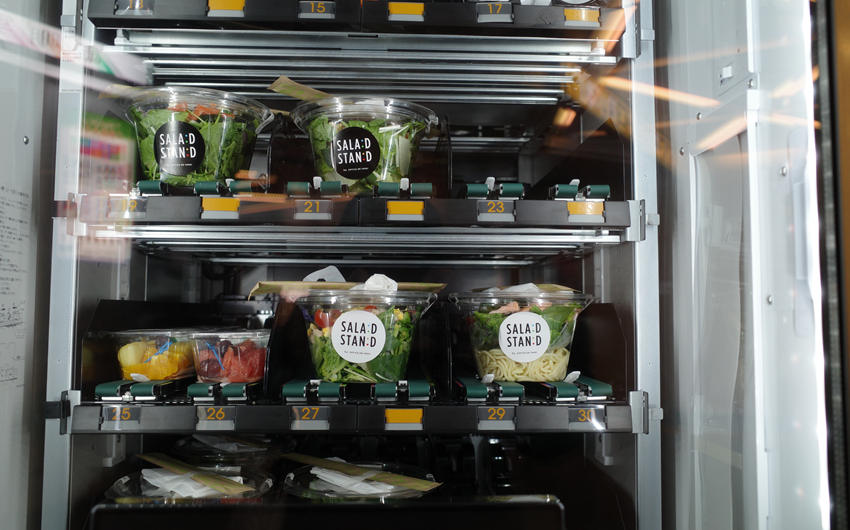
How items are arranged can influence what people choose. Placing healthier options at eye level or grouping them intuitively can make them feel like the default rather than the alternative. When nutritious items are easy to see and access, people are more likely to choose them without feeling pressured. This subtle design approach respects autonomy while encouraging better decisions.
Rotate Items to Keep Interest High
Even the best snack loses appeal if it never changes, but rotating items periodically keeps the vending experience fresh and encourages repeat engagement. Rotation also allows you to respond to preferences over time. If certain items consistently underperform, they can be replaced with better-fitting options. Popular items can stay while new ones are tested alongside them.
Pay Attention to Portion Sizes
Healthy vending doesn’t require oversized portions to feel satisfying. In fact, appropriate portion sizes often align better with how people want to snack at work. Smaller, well-portioned items reduce waste, support energy management, and make healthier choices feel reasonable rather than heavy; they also encourage mindful snacking without overt restriction.
Involve Employees in the Process
Feedback is one of the most powerful tools for curating a successful menu; simple surveys, informal polls, or sales data can reveal what’s working and what isn’t. When employees feel heard, they’re more likely to engage with the offerings. And even small opportunities to vote on new items or suggest favorites can increase buy-in.
Measure Success by Use, Not Intention
A vending menu is successful when it’s used, not when it looks good in theory, so tracking what actually sells provides clearer insight than assumptions about what should work. Usage data reveals preferences honestly and helps refine the menu continuously. Healthy vending should not be a static project; it’s an ongoing process.
Healthy Vending Should Feel Effortless
At its best, a healthy vending menu doesn’t announce itself as “healthy.” It simply offers good options that people enjoy and choose without overthinking. When snacks taste good, feel satisfying, and fit naturally into the workday, wellness becomes a background benefit rather than a forced initiative. Curating a menu your team will actually love doesn’t require perfection; it just requires thoughtful choices, ongoing adjustment, and respect for how people really eat at work.