What Is Your Credit Report And 5 Things You Should Know About It

Your credit report quietly follows you through much of adult life. It affects whether you can buy a home, finance a car, qualify for certain jobs, or even get approved for utilities without a deposit. Yet for something so influential, many people don’t fully understand what a credit report is or how it works.
If you’ve ever felt unsure about what’s on your credit report – or why it matters so much – you’re not alone. Understanding the basics puts you in a much stronger position to protect yourself and make smarter financial decisions.
What Your Credit Report Actually Is
Your credit report is a detailed record of your borrowing and repayment history. It’s maintained by credit reporting agencies and used by lenders, landlords, insurers, etc. to assess how you handle financial obligations.
The report includes identifying information, a list of credit accounts, payment history, balances, and records of who has accessed your report. It doesn’t include your income, bank account balances, or any personal opinions about you. It’s just a financial snapshot based on reported data.
Here are some other important things to know about it:
1. Your Credit Report Is Not the Same as Your Credit Score
One of the most common misunderstandings is confusing your credit report with your credit score. They’re related, but they’re not the same thing.
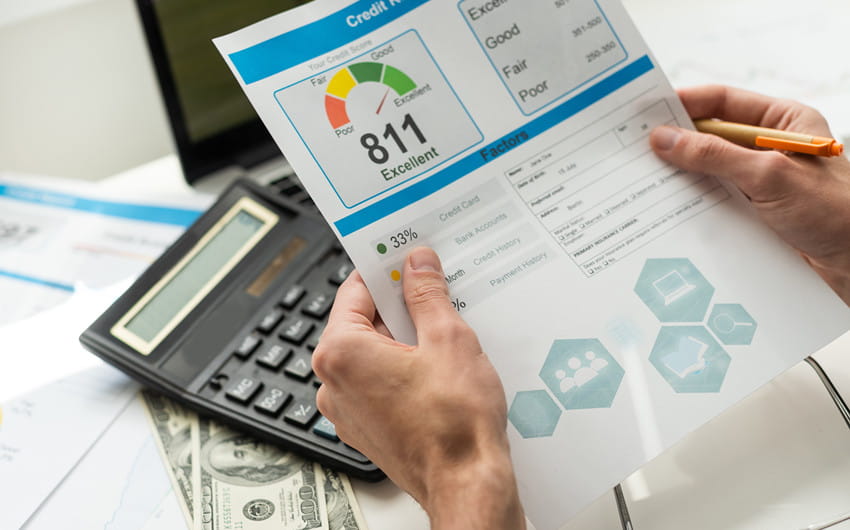
Your credit report is the raw data, while your credit score is a number calculated from that data using a specific formula. Lenders often look at both. The report shows what you’ve done, whereas the score summarizes how risky you appear based on that history.
2. Not Everyone Is Allowed to See Your Credit Report
There’s a misconception that your credit report is open to anyone who wants to look. That’s not true. Access is regulated, and there must be a legitimate reason to view it.
“Not just anyone who wants to see your credit report can do so,” attorney Jibrael S. Hindi explains. “The FCRA places restrictions on who can view your credit report and when. Typically, the consumer initiates a transaction that gives consent to have their report evaluated by the entity they wish to borrow money from.”
In practical terms, this means your report is usually accessed when you apply for credit, housing, insurance, or certain jobs – not casually or without cause. Understanding this helps you spot unauthorized access and protect your privacy.
3. Errors on Credit Reports Are More Common Than You Think
Credit reports are built from information supplied by lenders and collection agencies. While many entries are accurate, mistakes happen more often than most people expect.
Errors can include accounts that don’t belong to you, incorrect balances, outdated negative information, or payments marked late when they weren’t. Even small inaccuracies can affect how lenders view you.
That’s why reviewing your credit report regularly matters. You’re entitled to free copies from each major credit bureau, and checking them gives you a chance to catch problems early.
4. Negative Information Doesn’t Last Forever
Seeing negative items on your credit report can feel discouraging, but most negative information has a time limit. Late payments, collections, and charge-offs typically fall off after a set number of years. That doesn’t mean they don’t matter while they’re there, but it does mean your credit history isn’t permanently defined by past mistakes. Over time, positive activity carries more weight.
5. Your Credit Report Tells a Story Lenders Care About
When lenders review your credit report, they’re not just looking at individual events. They’re looking for patterns.
- Do you pay on time consistently?
- Do you rely heavily on credit?
- Have you managed different types of accounts responsibly?
Your report tells a story about how you handle obligations over time. That story influences interest rates, approval decisions, and terms. And even when credit is approved, the report often determines how expensive borrowing will be.
That’s why small habits matter. One missed payment can linger longer than you expect. On the flip side, steady, responsible behavior adds up quietly in your favor.
Why Monitoring Your Credit Report Is So Important
Your credit report doesn’t just affect borrowing. It can influence insurance premiums, rental applications, and employment screenings in certain industries. Because of that reach, monitoring your report is part of protecting yourself financially. Regular review helps you:
- Catch identity theft early
- Spot reporting errors before they escalate
- Understand how financial decisions show up on paper
- You don’t need to obsess over it, but ignoring it entirely leaves you vulnerable.
Controlling What You Can Control
You can’t control every entry on your credit report immediately, but you can control your habits moving forward. Paying bills on time, keeping balances reasonable, and applying for credit thoughtfully all shape how your report evolves.
You can also control whether inaccurate information stays there. If something doesn’t belong, you have the right to challenge it. Knowing that right – and using it – is part of being an informed consumer.