
The Influence of New Zealand Culture on Pokies Themes and Symbols

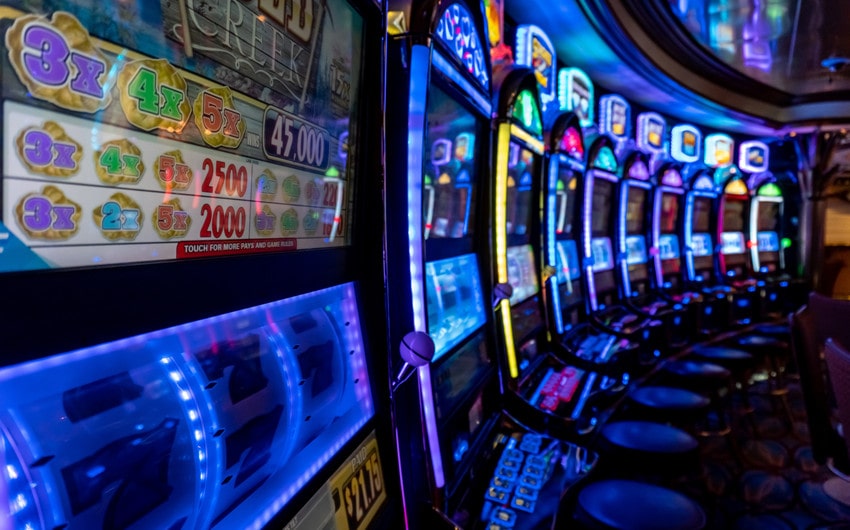
New Zealand’s gaming scene has grown into something recognizably local. Designers lean into the country’s layered heritage, and the mix feels natural to adult Kiwi players. Māori language and art sit beside alpine peaks, flax wetlands, and the kiwi bird. More than 14,000 gaming machines were operating nationwide in 2023, many dressed with symbols that trace back to Aotearoa’s stories. Entertainment stays front and centre, though the call for safe, informed play is never far away.
Māori design and national identity
Cultural references define much of the visual world of New Zealand pokies, Traditional patterns taken from carving, weaving, and tā moko often frame the reels or animate as icons. The koru, a spiral suggesting renewal and balance, shows up frequently. So does the tiki, used to signal knowledge and protection, tied to theme but never to outcomes.
Te Papa’s archives note that since 2018, more than 60 percent of new local machine designs include some strand of indigenous symbolism. Silver ferns and kiwi silhouettes sit alongside them. In pubs and clubs, rugged coasts and Southern Alps scenes add a quietly familiar backdrop, giving the machines a signature that feels unmistakably New Zealand.
Online innovation and Kiwi storytelling
The digital shift widened the canvas. Developers of online pokies have experimented with interactive storytelling, integrating Māori legends and colonial history into playable narratives.
Stories of Māui slowing the sun, or Kupe’s voyages across the Pacific, appear as quests and bonus arcs that appeal at home and abroad. Industry data from the New Zealand Game Developers Association showed online activity climbing 47 percent in 2022, with culturally led titles drawing strong engagement from adult users. Better visuals help. Carved textures look tactile, woven flax patterns carry depth, and soundtracks weave in taonga pūoro for an atmosphere that feels considered and alive. The ideas aim for authenticity without pretending to change the odds.
Community influence and shared involvement
In pubs, clubs, and online forums, pokies often serve as communal entertainment rather than solitary activity.
Players swap notes, compare sessions, and treat it like a casual pastime. Massey University reported in 2021 that 58 percent of regulars valued the sense of belonging tied to local play. Online, that mood carries through chat tools and leaderboards that nudge friendly rivalry or teamwork. Some titles now nod to neighborhood histories, sport loyalties, or Matariki gatherings, adding shared memory to the mix. It mirrors daily life in New Zealand, just in a digital room.
History, fusion and modern creativity
Designers draw from the Treaty of Waitangi, Anzac stories, and the country’s creative industries, then fold those threads into fresh artwork. Creative New Zealand has noted that 42 percent of designers under 35 look to local heritage projects for inspiration. The outcome feels diverse. Pacific motifs meet slick animation or global genres and sit comfortably together. Volcanoes, ocean voyages, and native forests appear beside sci‑fi skylines or mythic worlds, a hybrid style that reads as both rooted and current. With streaming and mobile play, those images travel well beyond domestic shores.
Responsible gaming reflections
Cultural pride matters, but so does balance. About 1.6 percent of adults encounter moderate to severe gambling harm each year. Practical habits like setting time and spending limits and making informed choices are important. Developers also integrate reminders, information links, and voluntary pause options within modern pokies interfaces.
Responsible design helps enjoyment stay enjoyment. It is essential to remember that pokies are games of chance, not means of financial gain, and risks of monetary loss always exist.
Celebrating heritage should go hand in hand with support, clear information, and easy off-ramps when needed.
Streamlining communication between design teams and stakeholders makes for more dynamic outcomes. From the boardroom to the mobile screen, every step in the business strategy must align with player preference, enhancing both engagement and satisfaction.